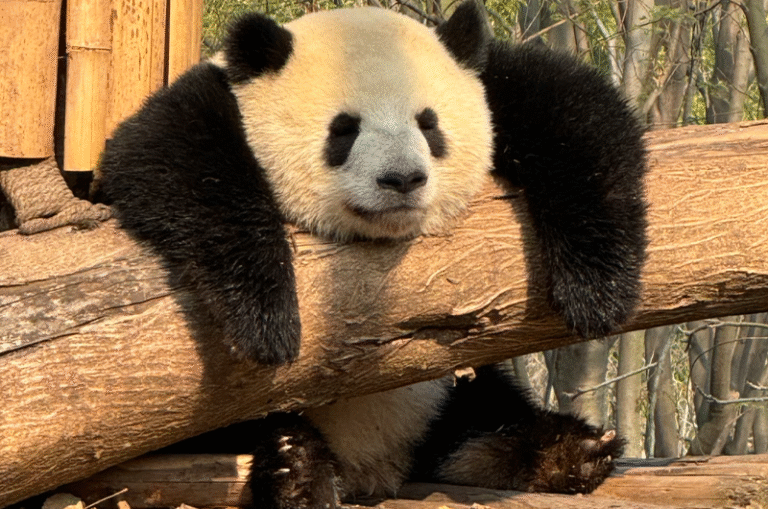
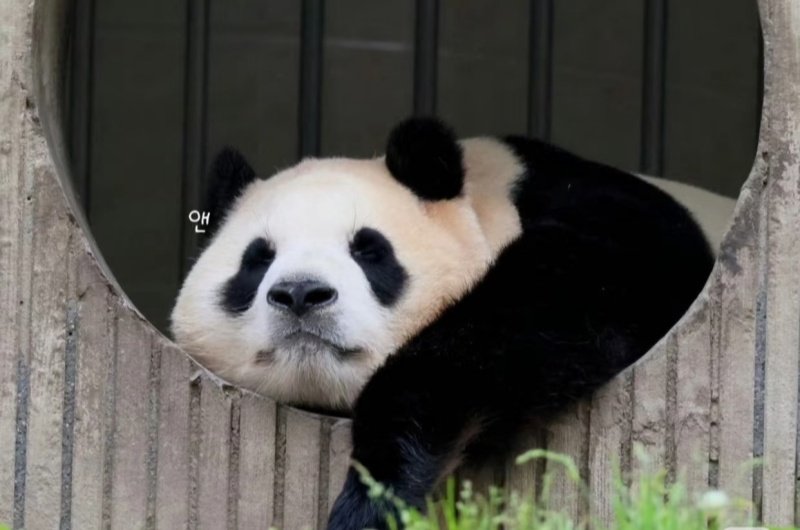
When people picture a giant panda, they often imagine a strong, bamboo-crunching bear. But at birth, panda cubs are among the tiniest newborns in the animal kingdom compared to their adult size.
A newborn panda typically weighs only 90 to 130 grams—that’s about the size of a stick of butter or a cup of tea. In contrast, adult pandas weigh between 70 to 125 kilograms. That’s a 1,000-fold difference! This extreme size gap is one of the most dramatic in the mammal world.
What makes panda cubs so small?
Scientists believe this tiny size is linked to their evolutionary history. As members of the bear family, pandas developed a unique reproductive strategy. Female pandas have a very short gestation period, usually around 95 to 160 days. During this time, the embryo experiences delayed implantation, which means it doesn’t immediately start growing after fertilization. As a result, the cub doesn’t have much time to grow before birth.
Another reason may be related to diet. Pandas eat mostly bamboo, which is low in nutrients. This could limit the energy available during pregnancy, contributing to the small birth size of panda cubs.
Despite their fragile appearance, baby pandas are tough survivors. Born blind and nearly hairless, they rely completely on their mothers for warmth, feeding, and protection. Within a month, they begin to grow soft white fur and distinctive black markings start to appear. By the time they are 3 to 4 months old, they open their eyes and begin to crawl.
Seeing how a massive creature like the panda begins life as a tiny, squirming pink baby adds even more wonder to this already beloved animal. From just over 100 grams to over 100 kilograms—it’s an incredible journey of growth.